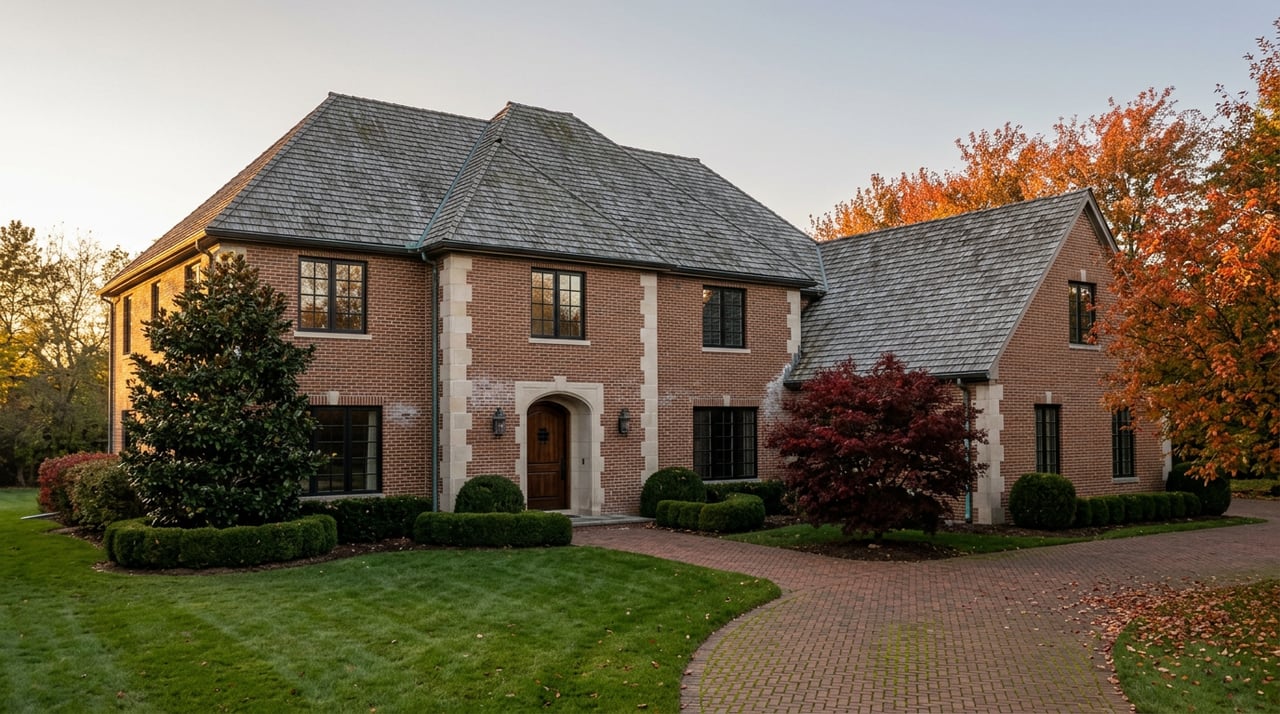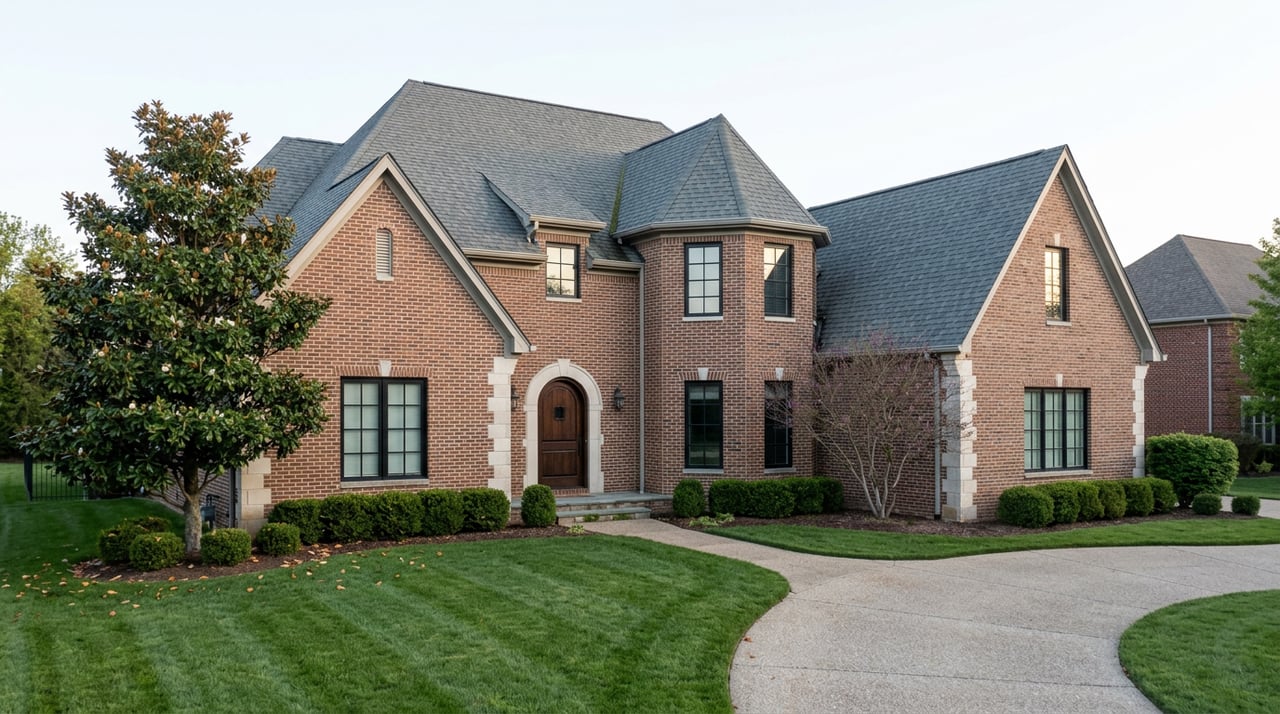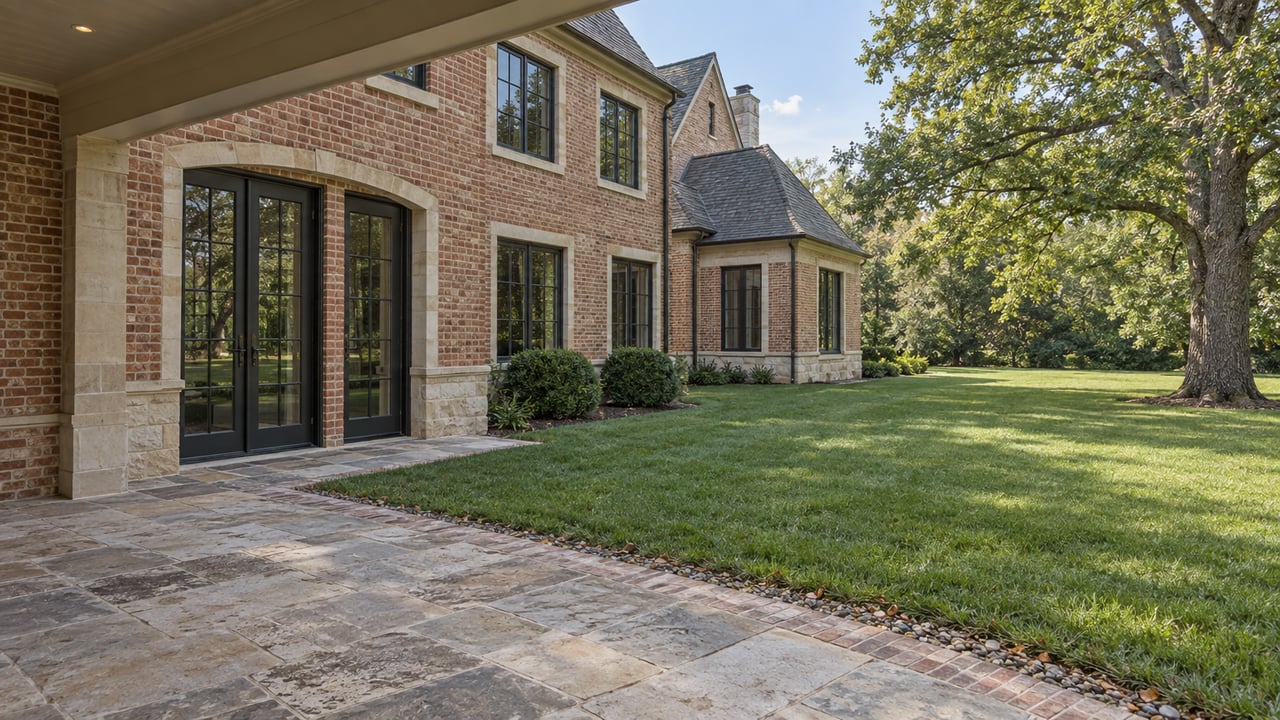
Picture two Belle Meade listings that hit the market the same week, priced within a few thousand dollars of each other. Same era of construction, same general square footage, same asking price a buyer could type into a pre-approval letter without blinking. One of those homes can absorb a rear addition, a pool, and a second-story expansion inside a year. The other cannot add a mudroom without a variance hearing, a Historic Zoning Commission presentation, and a calendar that only turns over once a month.
The list price never tells you which house you bought.
The Approval Sitting on Top of the Permit
Belle Meade issues standard building permits for the same range of work you'd expect anywhere in Middle Tennessee: new construction, additions, pools, decks, fences, interior and exterior renovation, even outdoor fireplaces. That part is unremarkable. What sits on top of it is not.
Since 2019, when the city created its Historic Zoning Commission through Ordinance 2019-7, most exterior work in Belle Meade has needed a second approval called a Certificate of Appropriateness, or CoA, in addition to the regular building permit. The commission was a direct response to a wave of teardowns, roughly thirty homes demolished and rebuilt within two years, a pace that pushed the city to place a temporary moratorium on demolition permits while it built the review structure that still governs the city today.
Interior remodels that don't touch the exterior are generally exempt from CoA review, which is worth knowing before you assume every project on a wish list triggers the full process. Additions typically move into HZC review, and demolitions almost always require a formal presentation, including a licensed condition report, historic background research, and salvage planning. That documentation burden is often the real difference between calling a project a renovation and calling it a rebuild, long before anyone breaks ground.
Why the Same List Price Buys Two Different Ceilings
Belle Meade splits its land into five zoning districts: Estates A, Estates B, Residence A, Residence B, and Residence C. A 2024 draft rewrite of the zoning code laid out minimum lot areas for each:
| District | Minimum Lot Area | Minimum Front Setback |
|---|---|---|
| Estates A | 200,000 sq ft | 800 ft |
| Estates B | 75,000 sq ft | 125 ft |
| Residence A | 70,000 sq ft | 75 ft |
| Residence B | 40,000 sq ft | 75 ft |
| Residence C | 20,000 sq ft | 65 ft |
Estates A and Estates B exist specifically to preserve estate character and a more rural setback pattern. Two homes priced identically can sit on lots ten times apart in size once you cross from Residence C into Estates A, and that gap shapes how much room a buyer actually has to add on without tripping a setback variance.
Floor area ratio adds a second ceiling on top of the lot itself. FAR in Belle Meade typically runs between 0.20 and 0.225 depending on lot size, meaning total livable square footage is calculated as a fraction of the lot, not an open allowance. A larger lot supports a larger home, but not an unlimited one, and a buyer who prices a renovation off the neighbor's finished square footage rather than their own lot's FAR math can end up designing a house the property was never going to support.
Age matters too. The city's guidance distinguishes between properties of significance, generally homes built before 1939 with historic integrity, and properties worthy of conservation, typically built after 1939 but still contributing to the neighborhood's character through design, scale, and materials. Both categories draw commission attention, but the documentation expected of each differs, which means the same renovation plan can move through review at a different pace depending on which category the specific address falls into.
The Calendar Is the Real Constraint
Zoning district and lot size explain what you're allowed to build. The commission's calendar explains when you'll find out.
The Historic Zoning Commission meets once a month, the second Tuesday at 3:00 p.m. at Belle Meade City Hall on Harding Road. That single monthly meeting is the entire review pipeline for the year. Miss the filing window and the wait isn't a few business days, it's a full month.
That window has also tightened. An application form dated February 2020 set the filing deadline at fifteen days before the meeting. By the version the city had posted in July 2023, the cutoff had moved earlier, to the first Friday of the month before the month an applicant wants to appear, with amendments submitted after that date barred outright. Renovation applications run $250 and new construction runs $400, but the fee has never been the expensive part. A CoA is valid for one year, and if construction hasn't started by then, the applicant files again from scratch, at the mercy of whatever the following month's agenda looks like.
If a CoA decision goes against a homeowner, the appeal path isn't a quick administrative fix. It runs through Davidson County Chancery Court, and an aggrieved applicant has sixty days from the entry of the order to file a petition. That's not a process anyone wants to discover for the first time in the middle of a transaction.
This calendar math matters more in a market this thin. As of May 2026, Realtor.com listed 27 active properties in Belle Meade with a median list price of $6.5 million, while Redfin reported a median sale price just over $4.5 million and 77 median days on market over the three months ending that same month. When inventory is already this limited and homes are already spending two and a half months on market before they sell, a renovation plan that hits one unexpected CoA revision or one missed filing deadline doesn't cost a month. It can push a project past a buyer's financing timeline or a seller's marketing window entirely.
What the Numbers Say About Who Actually Gets Approved
The city's most recently published annual review, covering 2024, recorded 29 HZC cases: 15 additions, 8 new construction matters, and 3 demolitions. The Board of Zoning Appeals heard a separate 42 cases that year, including 13 addition variances.
Additions, not teardowns, are the more common path through review. That tracks with a city built out almost entirely between 1910 and 1955, still carrying that architectural character along streets like Belle Meade Boulevard, Tyne Boulevard, and Page Road. A buyer picturing a full rebuild is planning for the rarer outcome. A buyer picturing an addition, a rear expansion, or a reworked footprint that keeps the street-facing form intact is planning for the path the commission actually approves most often.
A New Rule That Shows the Direction This Is Heading
Since March 15, 2026, any Belle Meade property issued a demolition or new-construction permit has needed a locking, opaque construction fence, six to eight feet tall, around the property or job site, with no signage allowed and the gate recessed twenty feet from the road, before the city will issue that permit.
Read on its own, that looks like a construction site detail. Read against the 2019 moratorium and the steady caseload since, it reads as one more sign that Belle Meade's oversight of what gets built and how is not loosening. It's adding steps.
Buyers moving from elsewhere in Nashville sometimes assume Metro's building and zoning rules apply, since Belle Meade sits entirely inside Davidson County. They don't. Belle Meade is one of six small incorporated cities inside Nashville's boundaries, including Berry Hill, Forest Hills, Goodlettsville, Oak Hill, and Ridgetop, and none of them run on Metro's system. Belle Meade has its own City Hall, its own Building and Zoning Department, and its own stormwater program, so any land disturbance of 10,000 square feet or more triggers a separate permit reviewed by a third-party engineering consultant rather than by Metro Codes.
What This Means Before You Write an Offer
The sale price on a Belle Meade listing tells a buyer what the house costs today. It doesn't tell them what the lot will let them build tomorrow, and that gap is measured in zoning districts, FAR calculations, and monthly review cycles rather than renovation budgets. Two homes at the same price can carry very different answers to the same question: what happens after closing.
Pulling the specific address's permit and CoA history, not just researching the neighborhood in general, is the step that turns a guess into a plan. So is confirming which of the five zoning districts a lot sits in before assuming what a comparable home three streets over means for a renovation ceiling on this one.
A Short FAQ
Does every renovation in Belle Meade need Historic Zoning Commission review? Not automatically. Interior remodels that don't change the exterior are generally exempt from Certificate of Appropriateness review. Additions typically move into HZC review, and demolitions almost always require a full presentation to the commission.
What happens if a Certificate of Appropriateness expires before construction starts? A CoA is valid for one year. If no work has begun by then, the applicant has to file again from scratch, which means landing back on whatever the next available monthly agenda looks like.
How does a buyer find out which zoning district a specific Belle Meade lot sits in? The city's Building and Zoning Department can confirm district, lot dimensions, and setback requirements for a specific address, and the city has encouraged residents to contact the Planning Department before starting any building project, including interior renovations, so the applicable approvals are clear before plans or pricing are finalized.
If you're comparing two Belle Meade properties and trying to work out what one actually lets you build compared to the other, that's exactly the kind of contract and entitlement question worth walking through before you're under contract, not after. Kim Rowland - Oak Leaf Real Estate has spent years reading Middle Tennessee's fine print for exactly this reason. Let's grab some coffee and go through it together.