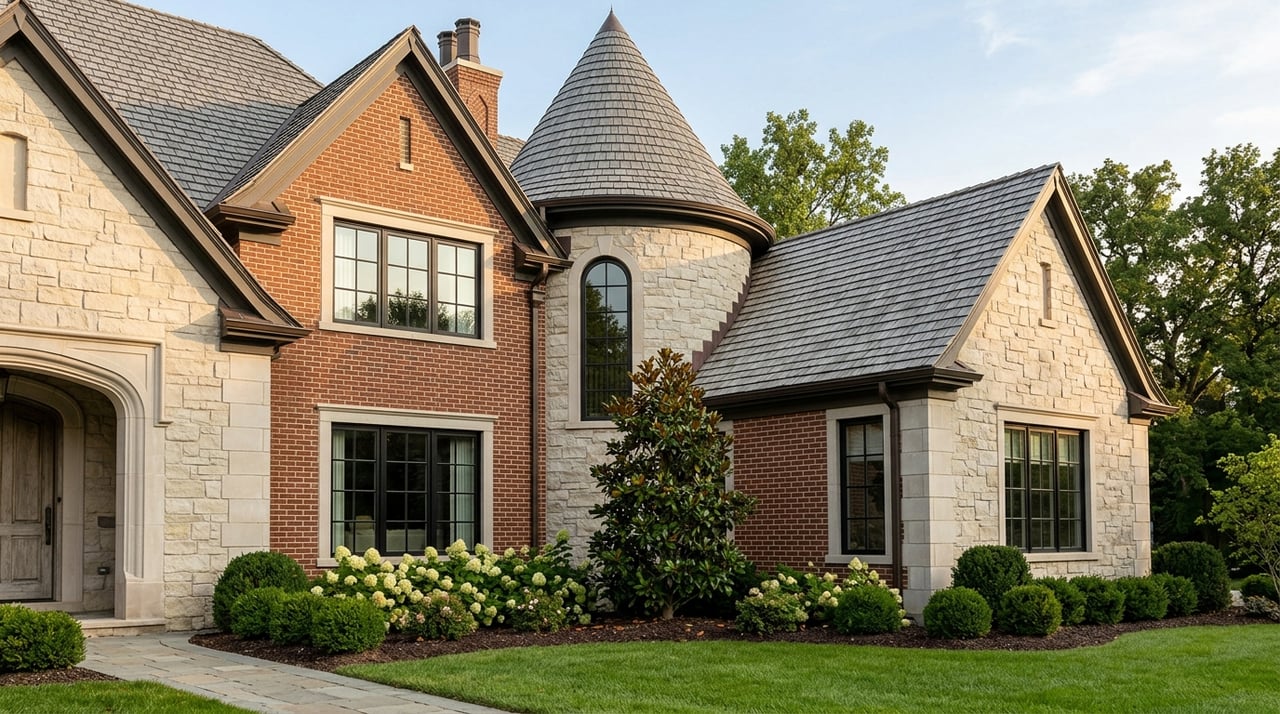
Wondering what gives Belle Meade homes their unmistakable look? If you are browsing this part of Davidson County, you will quickly notice that Belle Meade does not feel like a one-style neighborhood. Instead, it reads as a layered estate landscape shaped by early 20th-century architecture, postwar ranch design, and thoughtful updates that respect the area’s historic character. Let’s dive in.
Belle Meade’s architectural identity
Belle Meade was created in the early 1900s from land associated with Belle Meade Plantation, about six miles southwest of downtown Nashville. Between 1910 and 1930, more than 200 homes were built here, with Neo-classical, Colonial Revival, Georgian Revival, and Tudor Revival styles leading the way.
After 1945, vacant lots continued to fill in, and ranch houses became common. That mix is a big reason Belle Meade feels so distinctive today. You are not looking at a neighborhood with just one dominant style, but at an area where several architectural traditions coexist.
The city also treats that built form as part of Belle Meade’s identity. Its conservation overlay is designed to preserve architectural character, support compatible exterior design and materials, and help protect property values.
Georgian and classical estates
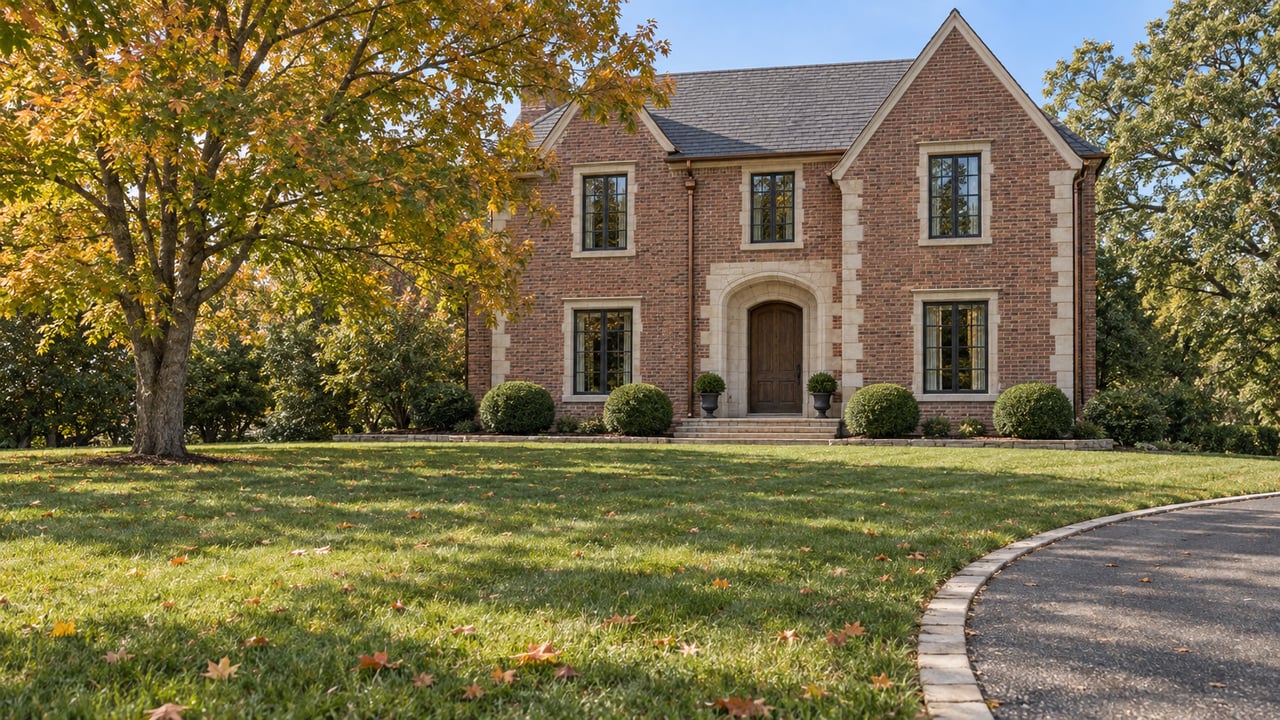
If your idea of Belle Meade includes grand brick homes on broad lawns, you are likely thinking of the area’s Georgian and classically influenced houses. These homes often reflect the formal side of Belle Meade’s history, with symmetry, masonry exteriors, and a strong sense of order.
The Belle Meade Historic Site mansion helps tell that story. Its evolution from a Federal-style house into a Greek Revival country mansion shows the long-standing local preference for symmetry, masonry, and formal porticos.
In current public listings, that traditional estate look still shows up clearly. Examples include large red-brick Georgian homes and renovated Georgian-style residences on substantial lots.
What to look for in Georgian-style homes
When you tour this style in Belle Meade, you will often notice:
- Formal symmetry from side to side
- Brick or stone facades
- Broad lawns and mature trees
- Slate roofs on some properties
- Grand foyers and traditional room layouts
- Carriage-house or pavilion-style accessory spaces
These homes often appeal to buyers who want a timeless look and a strong sense of presence. In Belle Meade, that architectural form usually comes with estate-style siting and mature landscaping that add to the overall setting.
Colonial Revival and traditional brick homes
Colonial Revival homes are another major part of Belle Meade’s visual character. In many cases, they overlap with the formal brick look buyers associate with the area, which is why the lines between Colonial Revival and Georgian Revival can feel subtle when you are simply driving the neighborhood.
Belle Meade’s design guidance still identifies Colonial Revival, Georgian Revival, and Tudor Revival as traditional local styles that new construction should echo. At the same time, the city allows compatible early- to mid-20th-century and contemporary design when the massing, scale, proportions, and materials fit the surrounding context.
For you as a buyer, that matters because it helps explain why Belle Meade tends to feel visually cohesive even when homes were built decades apart. The neighborhood’s look is shaped as much by proportion, lot placement, and materials as by any one architectural label.
Tudor Revival homes
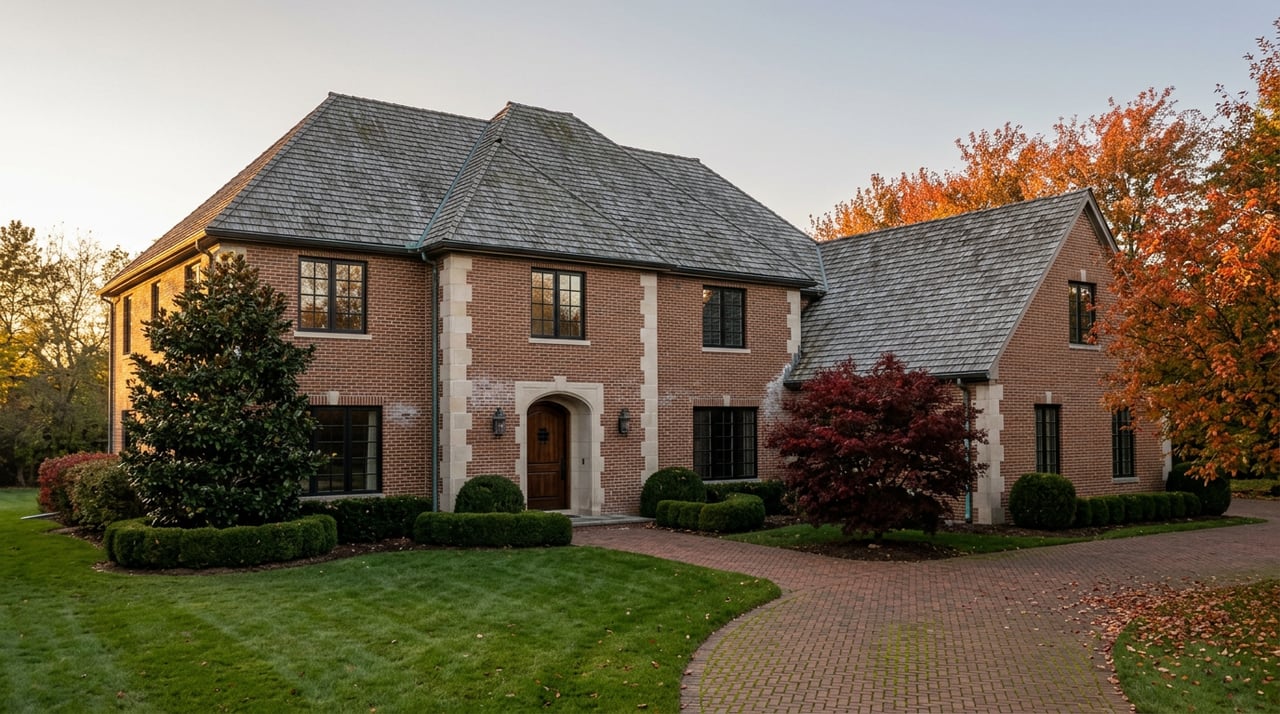
Tudor Revival gives Belle Meade a more picturesque and storybook side. These homes usually feel less formal than Georgian-style estates, but they still carry a strong architectural presence.
Public records show Tudor homes remain a visible part of the market. Renovated examples from the late 1920s on streets like Westview Avenue and Lynnwood Boulevard show how owners often modernize these homes while preserving their original character.
Common Tudor features in Belle Meade
If you are drawn to Tudor homes, watch for these details:
- Steeper rooflines
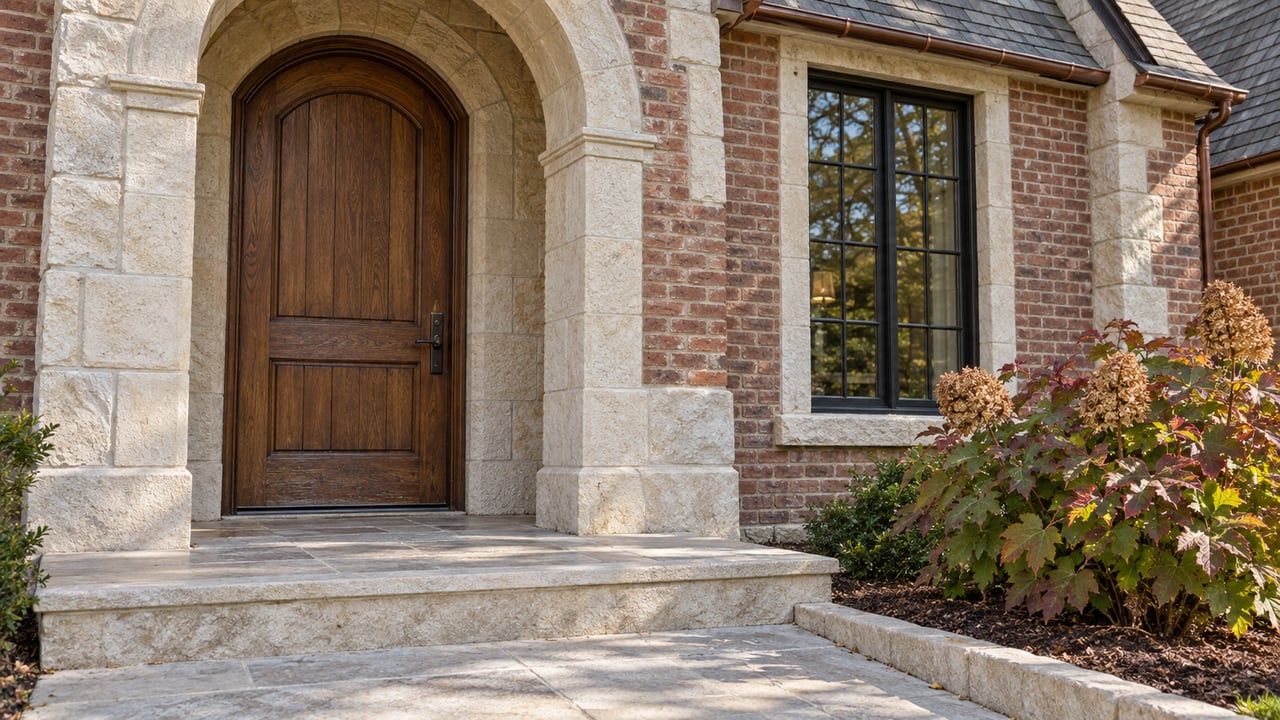
- Stone or masonry exteriors
- Arched openings
- Textured materials
- A more intimate, picturesque feel
- Mature landscaping that frames the house
In practical terms, Tudor homes in Belle Meade often deliver historic charm without the same level of formality you may see in a Georgian estate. That can be especially appealing if you want architectural personality and original detail.
Ranch and mid-century homes
Not every Belle Meade home is a stately two-story traditional. The city’s guidelines note that ranch houses were widely built during the 1950s and 1960s, and the historic survey shows most of Belle Meade’s existing building stock dates to 1969 or earlier.
That helps explain a quieter side of the market. Many homes are lower-slung, more private, and shaped by the landscape rather than designed to dominate it.
Recent public listings show the range well, from a 1961 ranch on more than an acre to a 1964 mid-century modern on over two private acres. These homes offer a different kind of luxury, one built around space, privacy, and a strong indoor-outdoor connection.
How ranch and mid-century homes feel different
Compared with Belle Meade’s older formal houses, ranch and mid-century homes often feel:
- More horizontal in design
- More casual in layout
- More connected to the lot and landscaping
- More private from the street
- More flexible for updates and additions
For some buyers, that lower-profile design is a major advantage. You still get the larger lots Belle Meade is known for, but with a style that can feel easier, quieter, and more relaxed.
Renovated homes shape the market
One of the most important things to understand about Belle Meade architecture is that many homes have been updated rather than replaced. Public listings frequently describe renovated kitchens, updated baths, additions, pools, detached garages, and newer systems, while still keeping original brick, millwork, and overall massing.
That tells you something important about both style and value. In Belle Meade, buyers are often choosing among existing homes with mature landscapes and established architectural character, not starting with a blank slate.
The citywide survey supports that reality. It found that 62.7 percent of Belle Meade parcels were built in 1969 or earlier, while only 7.6 percent were empty lots.
What renovations can signal
A well-updated Belle Meade home may offer:
- Preserved exterior character
- Improved function for modern living
- Newer major systems
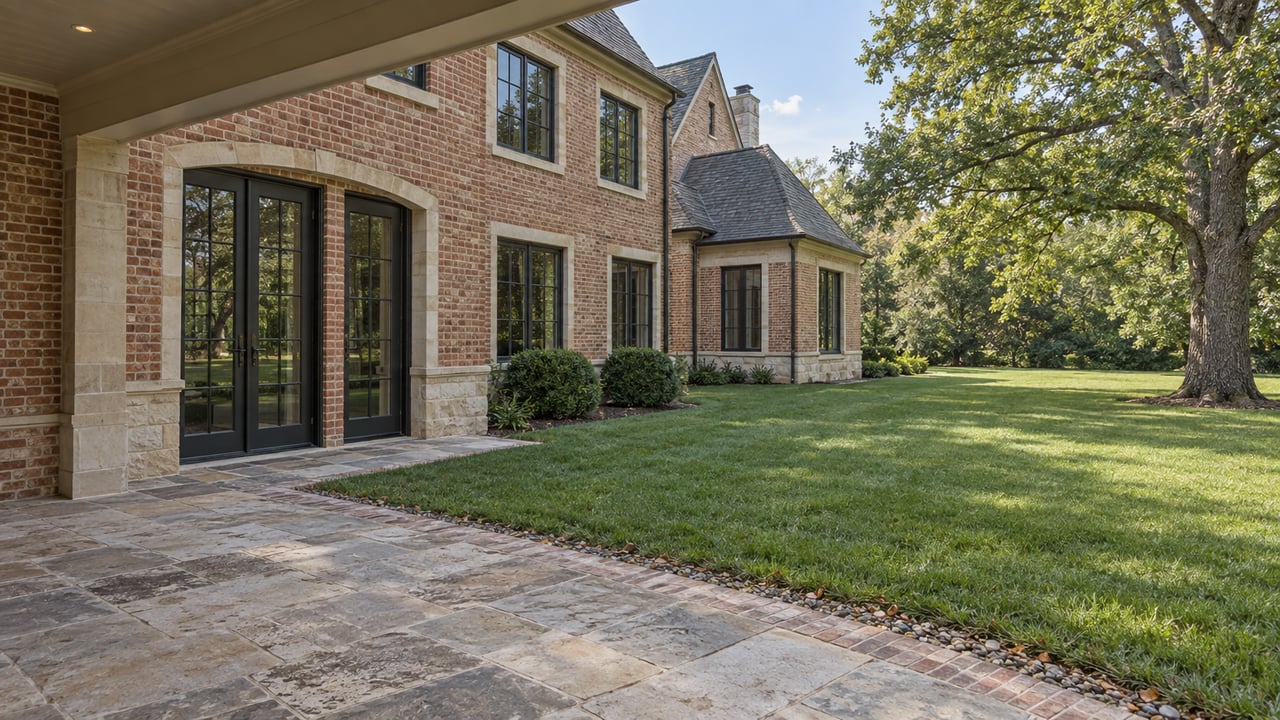
- Better indoor-outdoor living spaces
- Stronger move-in readiness
It can also affect pricing in a meaningful way. Recent public examples show that Tudor, ranch, mid-century, and Georgian-style homes can all reach multi-million-dollar price points depending on lot size, location, and the quality of updates.
Why lot size matters in Belle Meade
In Belle Meade, architecture and land go hand in hand. A home’s style matters, but the lot often plays just as large a role in how the property feels and how the market values it.
Across styles, one of the most consistent themes is generous spacing, mature trees, and a landscape-first setting. Whether you prefer a formal brick estate, a Tudor with strong character, or a mid-century home tucked into private greenery, the lot is a major part of the experience.
For buyers, that means it helps to evaluate the whole package. The house itself is only one piece. Site placement, outdoor living potential, privacy, and how the architecture sits on the land all shape long-term appeal.
What the conservation overlay means
If you are considering a Belle Meade home, it is worth knowing that the city’s conservation overlay can affect exterior projects. For applicable work, a Certificate of Appropriateness is required in addition to a building permit.
This matters most if you are planning changes to exterior design or materials. The purpose is to keep new work compatible with the city’s established architectural character.
For a buyer, that is not necessarily a drawback. In many cases, it is part of why Belle Meade maintains such a cohesive appearance over time.
How to shop by architectural style
If you are searching in Belle Meade, it helps to narrow your priorities before you start touring. Style is not just about curb appeal. It can also shape layout, maintenance, renovation needs, and how a home lives day to day.
A simple way to think about it is this:
- Georgian or classical homes often offer formality, symmetry, and estate presence.
- Colonial Revival homes often deliver traditional brick architecture with enduring appeal.
- Tudor homes often bring texture, charm, and distinctive original character.
- Ranch and mid-century homes often provide privacy, easier flow, and a more landscape-driven feel.
If you are relocating or buying in Belle Meade for the first time, having a clear picture of your preferred style can save time and sharpen your search. It also helps you compare homes more realistically, especially when very different architectural types can command premium prices.
Belle Meade stands out because it offers more than one version of luxury. You will see formal estates, traditional brick homes, charming Tudors, and low-slung mid-century residences, all tied together by mature lots and a preservation-minded setting. If you want help sorting through the architectural options and finding the right fit for your move, Kim Rowland - Oak Leaf Real Estate would be glad to help.
FAQs
What architectural styles are most common in Belle Meade homes?
- Belle Meade is known for Neo-classical, Colonial Revival, Georgian Revival, Tudor Revival, ranch, and some mid-century homes, with many of the earliest houses built between 1910 and 1930.
What do Georgian-style homes in Belle Meade usually look like?
- Georgian-style homes in Belle Meade often feature formal symmetry, brick or stone exteriors, broad lawns, mature trees, and traditional interior layouts.
Are Tudor homes still common in Belle Meade?
- Tudor Revival homes remain a visible part of Belle Meade’s housing stock, especially among homes built in the late 1920s and later updated while keeping their original exterior character.
What makes ranch homes in Belle Meade different from the older estates?
- Ranch homes in Belle Meade are usually more horizontal, casual, and landscape-driven, with a lower profile and a more private feel than the area’s formal estate homes.
Do many Belle Meade homes have renovations?
- Yes, renovation is a major theme in Belle Meade, and many homes have updated kitchens, baths, additions, outdoor living spaces, and newer systems while keeping original architectural features.
What should buyers know about Belle Meade exterior changes?
- For applicable projects in Belle Meade, exterior work may require a Certificate of Appropriateness in addition to a building permit because of the city’s conservation overlay.
Why are Belle Meade lot sizes so important when comparing homes?
- Lot size matters because Belle Meade value and appeal are closely tied to estate-style siting, mature landscaping, privacy, and the way the home’s architecture fits the land.